Check with seller
Description
Root canals in Old Tappan: learn how dentists decide between saving a tooth or extracting it, and when implants help. Call now 2017856508
Root canal or extraction: how the decision is made
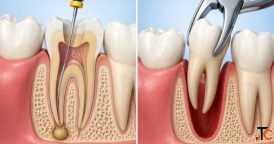
If you have a painful or infected tooth, the decision is not simply “save it” versus “pull it.” The goal is a predictable, long-term outcome: eliminating infection, restoring comfortable chewing, and reducing the chance of repeat breakdown. In many cases, root canal treatment is recommended when the tooth can be disinfected and sealed and then rebuilt with a durable restoration, often a crown.
A root canal addresses problems inside the tooth, such as an inflamed or infected nerve (pulp). During treatment, the canals are cleaned, disinfected, and sealed to help reduce the risk of bacteria re-entering. Common reasons it may be recommended include deep decay close to the nerve, lingering sensitivity that does not improve, signs of infection on X-ray, symptoms that suggest a crack involves the nerve, or trauma that later leads to pain or discoloration.
What dentists evaluate before recommending treatment
• Symptoms and pain patterns help guide testing, but they are not the sole deciding factor.
• X-rays and exam findings help assess decay depth, existing restorations, root anatomy, and signs of infection near the root tip.
• Restorability is often the key question, because even a successful root canal needs enough healthy tooth structure to hold a long-lasting restoration.
• Crack location matters, because deep cracks that extend into the root can make a tooth non-restorable.
• Gum and bone support affects long-term stability, especially when bone loss is significant.
• Your priorities—time, comfort, budget, and long-term goals—are part of planning a solution that fits.
Extraction can be the more responsible recommendation when saving the tooth is unlikely to last. This may include severe decay below the gumline, suspected vertical root fracture, repeated infections with poor remaining structure, advanced bone loss, or a tooth that cannot be restored to a predictable bite and function.
If a tooth must be removed, the next step is deciding how to replace it. Leaving a gap can affect chewing and allow nearby teeth to shift over time. For many patients, dental implants are a strong option because they replace the missing root and the visible tooth. Implant timing varies—some cases allow placement soon after extraction, while others require healing first based on infection control, bone conditions, bite forces, and overall oral health.
If you feel anxious, you are not alone. Asking about comfort options, including sedation dentistry, can make either a root canal or an extraction feel more manageable. A clear evaluation and explanation of options can help you choose the most predictable path forward.
Details
| Views | 1 |
|---|---|
| Listing ID | #2946884 |
| Website URL | https://www.precisiondentistrynj.com/root-canal-or-extraction-old-tappan |
Location
| City | Bangalore |
|---|---|
| State / region | Karnataka |
| Country | India |