Description
The Kedarkantha Trek is more than a climb to a Himalayan summit. It is a journey through quiet mountain villages, dense pine forests, snow-covered campsites, and wide-open ridgelines that gradually reveal spectacular Himalayan views.
Located in Uttarakhand, Kedarkantha reaches an altitude of around 12,500 feet and is widely considered one of India's popular beginner-friendly winter treks. The combination of manageable trekking stages and dramatic winter scenery makes it an ideal choice for travellers experiencing Himalayan trekking for the first time.
From the moment you leave the road behind to the moment you stand at the summit, every section of the trail offers something different.
Starting the Kedarkantha Journey in the Mountains
The adventure usually begins with a road journey from Dehradun towards the remote villages of Uttarkashi. As the roads climb deeper into the mountains, busy city landscapes gradually give way to winding mountain roads, forests and traditional Himalayan settlements.
Depending on your chosen route and trekking operator, the base village can vary. The current Kotgaon route, for example, begins from Kotgaon and follows a six-day itinerary including travel from Dehradun.
Reaching the basecamp is itself part of the experience. Mountain villages offer a glimpse into a slower way of life, with traditional homes, terraced landscapes and locals accustomed to the rhythms of the Himalayas.
Through Quiet Himalayan Villages
One of the most memorable aspects of the Kedarkantha journey is walking through and around remote mountain settlements.
The villages provide an important transition between everyday life and the wilderness of the trekking trail. In winter, the atmosphere can be particularly peaceful, with cold mornings, mountain air and snow-covered surroundings.
Take some time to appreciate these communities rather than treating the village merely as a starting point. Responsible trekking also means respecting local customs, keeping noise levels low and avoiding litter.
Entering the Forest Trails
Once the trek begins, the landscape changes quickly.
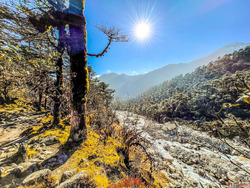
The trail enters Himalayan forests dominated by pine, oak and other mountain vegetation. During winter, fresh snow can cover the forest floor and branches, creating the classic scenery that makes Kedarkantha so popular.
Walking through a snow-covered forest feels completely different from trekking through the same landscape during the warmer months. Sunlight filtering through the trees, footprints across the snow and long stretches of quiet trail create a memorable atmosphere.
The forest section also provides a welcome sense of shelter before the more exposed terrain higher on the mountain.
Snow Camps and Mountain Nights
As you gain altitude, campsites become increasingly scenic.
For winter trekkers, staying at a snow-covered campsite is one of the highlights of the Kedarkantha Trek. After several hours of walking, arriving at camp and seeing the surrounding mountains covered in snow can feel like a reward in itself.
Evenings at high-altitude camps are cold, so proper winter clothing is essential. Temperatures can fall well below freezing at night during the winter season.
Once the sun disappears, the landscape becomes remarkably quiet. On a clear night, the combination of dark skies, stars and snow-covered surroundings creates an experience that is very different from camping at lower elevations.
The Trail Gets More Challenging
The higher you climb, the more noticeable the altitude and cold become.
The earlier sections of the trek help your body adjust to the walking rhythm, but the upper trail demands greater stamina. Snow can also make walking slower and more tiring.
This is where pacing becomes important. There is no advantage in rushing uphill only to exhaust yourself before summit day.
Walk steadily, drink water regularly and take short breaks when necessary.
Summit Day: The Biggest Adventure
Summit day is the most exciting part of the Kedarkantha journey—and usually the most demanding.
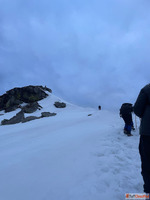
The trail climbs above the tree line and gradually becomes more exposed. The route can involve steep sections, particularly in winter when snow or hard-frozen surfaces may make footing more difficult.
The Kedarkantha summit stands at approximately 12,500 feet, offering expansive views across the surrounding Himalayan landscape.
Most summit attempts begin early, allowing trekkers to reach the top during the morning and descend while there is plenty of daylight.
Kedarkantha Summit Views
Standing on the summit is the moment that brings the entire journey together.
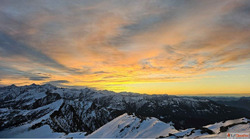
After walking through villages, forests and snowy camps, you finally reach an open ridge with panoramic mountain views. On a clear day, the surrounding Himalayan peaks stretch across the horizon.
The summit experience is not simply about reaching the highest point. It is also about looking back at the terrain you have crossed and appreciating how much the landscape has changed since the beginning of the trek.
Give yourself time to enjoy the views, take photographs and catch your breath before beginning the descent.
The Descent Back to the Valley
After the summit, the journey changes character once again.
Descending can feel easier because you are losing altitude, but snow-covered and uneven terrain can still require careful footing. Trekking poles can be particularly useful on slippery sections.
As you move back towards the forests and lower camps, temperatures gradually become more comfo
Located in Uttarakhand, Kedarkantha reaches an altitude of around 12,500 feet and is widely considered one of India's popular beginner-friendly winter treks. The combination of manageable trekking stages and dramatic winter scenery makes it an ideal choice for travellers experiencing Himalayan trekking for the first time.
From the moment you leave the road behind to the moment you stand at the summit, every section of the trail offers something different.
Starting the Kedarkantha Journey in the Mountains
The adventure usually begins with a road journey from Dehradun towards the remote villages of Uttarkashi. As the roads climb deeper into the mountains, busy city landscapes gradually give way to winding mountain roads, forests and traditional Himalayan settlements.
Depending on your chosen route and trekking operator, the base village can vary. The current Kotgaon route, for example, begins from Kotgaon and follows a six-day itinerary including travel from Dehradun.
Reaching the basecamp is itself part of the experience. Mountain villages offer a glimpse into a slower way of life, with traditional homes, terraced landscapes and locals accustomed to the rhythms of the Himalayas.
Through Quiet Himalayan Villages
One of the most memorable aspects of the Kedarkantha journey is walking through and around remote mountain settlements.
The villages provide an important transition between everyday life and the wilderness of the trekking trail. In winter, the atmosphere can be particularly peaceful, with cold mornings, mountain air and snow-covered surroundings.
Take some time to appreciate these communities rather than treating the village merely as a starting point. Responsible trekking also means respecting local customs, keeping noise levels low and avoiding litter.
Entering the Forest Trails
Once the trek begins, the landscape changes quickly.
The trail enters Himalayan forests dominated by pine, oak and other mountain vegetation. During winter, fresh snow can cover the forest floor and branches, creating the classic scenery that makes Kedarkantha so popular.
Walking through a snow-covered forest feels completely different from trekking through the same landscape during the warmer months. Sunlight filtering through the trees, footprints across the snow and long stretches of quiet trail create a memorable atmosphere.
The forest section also provides a welcome sense of shelter before the more exposed terrain higher on the mountain.
Snow Camps and Mountain Nights
As you gain altitude, campsites become increasingly scenic.
For winter trekkers, staying at a snow-covered campsite is one of the highlights of the Kedarkantha Trek. After several hours of walking, arriving at camp and seeing the surrounding mountains covered in snow can feel like a reward in itself.
Evenings at high-altitude camps are cold, so proper winter clothing is essential. Temperatures can fall well below freezing at night during the winter season.
Once the sun disappears, the landscape becomes remarkably quiet. On a clear night, the combination of dark skies, stars and snow-covered surroundings creates an experience that is very different from camping at lower elevations.
The Trail Gets More Challenging
The higher you climb, the more noticeable the altitude and cold become.
The earlier sections of the trek help your body adjust to the walking rhythm, but the upper trail demands greater stamina. Snow can also make walking slower and more tiring.
This is where pacing becomes important. There is no advantage in rushing uphill only to exhaust yourself before summit day.
Walk steadily, drink water regularly and take short breaks when necessary.
Summit Day: The Biggest Adventure
Summit day is the most exciting part of the Kedarkantha journey—and usually the most demanding.
The trail climbs above the tree line and gradually becomes more exposed. The route can involve steep sections, particularly in winter when snow or hard-frozen surfaces may make footing more difficult.
The Kedarkantha summit stands at approximately 12,500 feet, offering expansive views across the surrounding Himalayan landscape.
Most summit attempts begin early, allowing trekkers to reach the top during the morning and descend while there is plenty of daylight.
Kedarkantha Summit Views
Standing on the summit is the moment that brings the entire journey together.
After walking through villages, forests and snowy camps, you finally reach an open ridge with panoramic mountain views. On a clear day, the surrounding Himalayan peaks stretch across the horizon.
The summit experience is not simply about reaching the highest point. It is also about looking back at the terrain you have crossed and appreciating how much the landscape has changed since the beginning of the trek.
Give yourself time to enjoy the views, take photographs and catch your breath before beginning the descent.
The Descent Back to the Valley
After the summit, the journey changes character once again.
Descending can feel easier because you are losing altitude, but snow-covered and uneven terrain can still require careful footing. Trekking poles can be particularly useful on slippery sections.
As you move back towards the forests and lower camps, temperatures gradually become more comfo
Details
| Views | 6 |
|---|---|
| Listing ID | #2925662 |
| Phone Number | +91 88377 79060 |
| Website URL | https://madtrek.com/product/kedarkantha-trek/ |