Check with seller
No photo
Description
Managing products without proper identification can become difficult as a business grows. From receiving stock to packing customer orders, businesses need a reliable way to identify items and organize product information. Barcode labeling provides a practical way to connect physical products with digital inventory and billing systems.
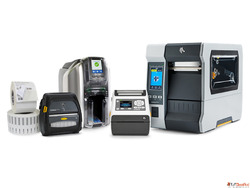
For businesses operating in Hyderabad, a Direct Thermal Barcode Printer can be considered when the requirement is to produce readable labels without using conventional ink or toner. This type of printer is commonly associated with shipping, dispatch, inventory, retail, and other applications where labels are required for a defined period.
If you are planning to purchase a Direct Thermal Barcode Printer in Hyderabad, understanding how the technology works and what specifications matter can help you select equipment that fits your day-to-day workflow.
Understanding Direct Thermal Printing
Direct thermal printing works through a heat-sensitive printing surface.
Inside the printer, a thermal printhead contains numerous tiny heating elements. When a label passes beneath the printhead, selected elements generate heat. The heat reacts with the specially treated surface of the label and creates the required characters, numbers, graphics, or barcode pattern.
There is no separate ink cartridge involved in this process, and a thermal transfer ribbon is not required.
The simplicity of this printing method makes it useful for businesses that frequently produce labels and want a straightforward printing setup.
Why Businesses Use Direct Thermal Barcode Printers
The value of a barcode printer is not limited to producing a barcode. It can become part of the daily process used for stock identification, order preparation, and product movement.
A direct thermal setup can be useful when a business wants:
Less consumable management:
Since direct thermal printing does not use a transfer ribbon, businesses have one less consumable to monitor.
Quick label creation:
A suitable printer can produce labels rapidly, which can be helpful at billing counters, packing tables, dispatch areas, and inventory sections.
A compact printing arrangement:
Desktop models can be installed where counter or workstation space is limited.
Consistent barcode reproduction:
When the correct media, printer settings, and barcode design are used, the printer can create machine-readable labels.
A straightforward operating process:
Loading the appropriate media and configuring the printer is generally simpler than managing multiple printing consumables.
Businesses That Can Use Direct Thermal Barcode Printing
The requirement for barcode labeling differs from one industry to another. A direct thermal printer may be useful in situations where the printed label does not need to remain exposed to demanding conditions for an extended period.
Retail Businesses
Retailers can use barcode labels for stock identification, product handling, internal inventory activities, and other store operations.
Online Sellers
E-commerce sellers regularly handle orders that need identification during packing and dispatch. A thermal label printer can be integrated into the order-processing workflow for suitable label applications.
Warehouses
A warehouse can use labels to identify packages, storage locations, cartons, dispatch units, and inventory items.
Courier and Logistics Operations
Shipment-related information needs to remain readable while a parcel moves through different stages. Direct thermal printing is often considered for this type of operational labeling.
Pharmaceutical and Medical Retail
Pharmacies and healthcare-related businesses may require barcode identification for products and inventory, subject to their specific labeling process.
Manufacturing Companies
Manufacturers can use barcode labels to distinguish products, packages, batches, or items moving between different stages of their operation.
For barcode printers and POS-related solutions, contact PrimePOS for assistance with your business requirements.
Call: 8008333162
Website: www.primepos.in
For businesses operating in Hyderabad, a Direct Thermal Barcode Printer can be considered when the requirement is to produce readable labels without using conventional ink or toner. This type of printer is commonly associated with shipping, dispatch, inventory, retail, and other applications where labels are required for a defined period.
If you are planning to purchase a Direct Thermal Barcode Printer in Hyderabad, understanding how the technology works and what specifications matter can help you select equipment that fits your day-to-day workflow.
Understanding Direct Thermal Printing
Direct thermal printing works through a heat-sensitive printing surface.
Inside the printer, a thermal printhead contains numerous tiny heating elements. When a label passes beneath the printhead, selected elements generate heat. The heat reacts with the specially treated surface of the label and creates the required characters, numbers, graphics, or barcode pattern.
There is no separate ink cartridge involved in this process, and a thermal transfer ribbon is not required.
The simplicity of this printing method makes it useful for businesses that frequently produce labels and want a straightforward printing setup.
Why Businesses Use Direct Thermal Barcode Printers
The value of a barcode printer is not limited to producing a barcode. It can become part of the daily process used for stock identification, order preparation, and product movement.
A direct thermal setup can be useful when a business wants:
Less consumable management:
Since direct thermal printing does not use a transfer ribbon, businesses have one less consumable to monitor.
Quick label creation:
A suitable printer can produce labels rapidly, which can be helpful at billing counters, packing tables, dispatch areas, and inventory sections.
A compact printing arrangement:
Desktop models can be installed where counter or workstation space is limited.
Consistent barcode reproduction:
When the correct media, printer settings, and barcode design are used, the printer can create machine-readable labels.
A straightforward operating process:
Loading the appropriate media and configuring the printer is generally simpler than managing multiple printing consumables.
Businesses That Can Use Direct Thermal Barcode Printing
The requirement for barcode labeling differs from one industry to another. A direct thermal printer may be useful in situations where the printed label does not need to remain exposed to demanding conditions for an extended period.
Retail Businesses
Retailers can use barcode labels for stock identification, product handling, internal inventory activities, and other store operations.
Online Sellers
E-commerce sellers regularly handle orders that need identification during packing and dispatch. A thermal label printer can be integrated into the order-processing workflow for suitable label applications.
Warehouses
A warehouse can use labels to identify packages, storage locations, cartons, dispatch units, and inventory items.
Courier and Logistics Operations
Shipment-related information needs to remain readable while a parcel moves through different stages. Direct thermal printing is often considered for this type of operational labeling.
Pharmaceutical and Medical Retail
Pharmacies and healthcare-related businesses may require barcode identification for products and inventory, subject to their specific labeling process.
Manufacturing Companies
Manufacturers can use barcode labels to distinguish products, packages, batches, or items moving between different stages of their operation.
For barcode printers and POS-related solutions, contact PrimePOS for assistance with your business requirements.
Call: 8008333162
Website: www.primepos.in
Details
| Views | 1 |
|---|---|
| Listing ID | #2930670 |
| Website URL | https://primepos.in/direct-thermal-barcode-printer-hyderabad-primepos/ |