Description
Bone Grafting Washington patients ask about sinus lifts. Learn how surgeons choose in Washington, DC for implants. Call now 2026100600
Patients researching Bone Grafting Washington options often encounter “sinus lift surgery” and wonder which one they need before dental implants. While both can be part of implant site development, they address different anatomical limits—especially in the upper jaw.
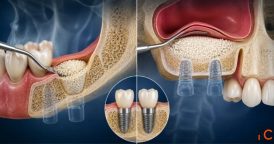
For many upper-jaw implant cases, the key question is whether you lack bone width, bone height beneath the sinus, or both. A dental implant bone graft is commonly used to rebuild the ridge (the bony foundation) when it’s too thin, has generalized loss, or needs reinforcement after extraction. Socket preservation can also help maintain ridge shape after a tooth is removed, supporting future upper jaw implant preparation.
A sinus lift is different. It’s most often discussed for implants in the upper back jaw (molars and premolars), where the sinus sits above the tooth roots. If there isn’t enough vertical bone height under the sinus, lifting the sinus membrane and adding graft material may create adequate support for an implant.
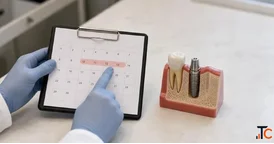
Oral surgeons in Washington, DC typically rely on CBCT implant planning to measure bone dimensions and visualize nearby structures. Beyond measurements, they evaluate bone quality, healing factors, and your restoration goals—whether you’re replacing one tooth or planning multiple dental implants in Washington. Depending on findings, treatment may be staged (grafting first, implant later) or sometimes combined.
Useful consultation questions include: What is the limiting factor in my case—ridge width, height under the sinus, or something else? Will my procedure be staged or same-day with implant placement? How will healing be confirmed before moving forward, and what aftercare matters most?
The “right” choice is the one that fits your anatomy and supports a stable implant plan.