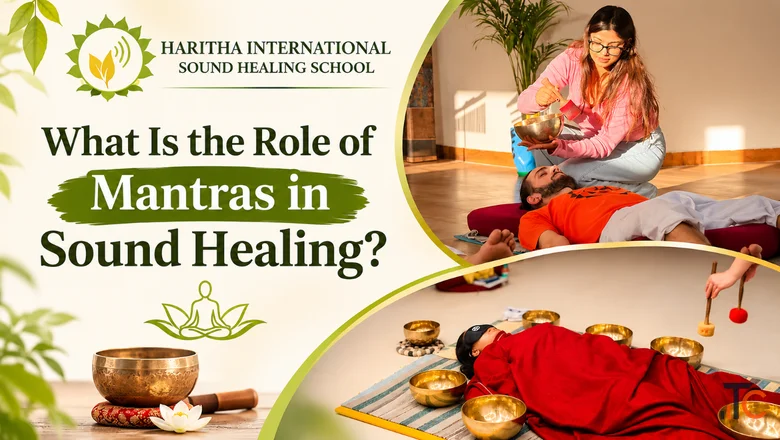
What Is the Role of Mantras in Sound Healing?
Check with seller
Location
Narayana Kunj, Jonk Village, Near Neelkhanth Taxi Stand, SwargAshram Area, Rishikesh
Rishikesh, Uttarakhand — India
Published
2026-11-25 15:30:14
Contact
Haritha Ayurveda
09837772318
Phone Number
09837772318
Description
Sound has been an important part of meditation and spiritual practices for centuries. From the gentle Sound of Tibetan singing bowls to the rhythmic chanting of ancient Sanskrit mantras, sound is traditionally used to create a peaceful environment and support meditation.
One of the most interesting aspects of Sound Healing is the role of mantras. Mantras are sacred words, syllables or phrases that are repeated during meditation and spiritual practices. Their sounds, rhythms and vibrations help practitioners focus their attention and develop a deeper connection with the present moment.
In Sound Healing, mantras are often combined with Singing Bowls, Meditation, breathing exercises and other traditional practices. Understanding the role of mantras can help you explore the relationship between sound, vibration and mindfulness.
What Are Mantras in Sound Healing?
A mantra is a sacred word, sound or phrase that is traditionally repeated during meditation, prayer or spiritual practice. The word mantra comes from Sanskrit, where 'Man' is associated with the mind and 'Tra' with protection or liberation.
In Sound Healing, mantras are used through repetitive chanting to create rhythm, focus and awareness. The sound produced during chanting can be experienced through the voice, breath and vibrations within the body.
Some commonly practised mantras include:
OM (AUM): A traditional sacred sound used in meditation.
OM Mani Padme Hum: A well-known Buddhist mantra associated with compassion.
So Hum: A mantra traditionally connected with breath awareness.
Gayatri Mantra: An ancient Sanskrit mantra used in spiritual practice.
Mahamrityunjaya Mantra: A traditional Sanskrit mantra associated with spiritual devotion.
Each mantra has its own traditional meaning, pronunciation and method of chanting.
What Is the Role of Mantras in Sound Healing?
Mantras play an important role in sound healing because they combine sound, repetition, breathing and focused attention.
When a person chants a mantra, the voice produces sound vibrations that can be experienced physically and mentally. Repeating the same sound helps create a rhythm that supports concentration and meditation.
Here are some important roles of mantras in sound healing.
1. Creating Vibrational Awareness
One of the main purposes of chanting mantras is to experience sound through vibration. When you chant OM, for example, you can notice the movement of sound through your throat, mouth and chest.
This experience encourages awareness of the voice, breath and body.
2. Supporting Meditation and Concentration
Mantras provide a simple point of focus during meditation. Repeating a particular sound or phrase can help practitioners bring their attention back whenever their minds become distracted.
This makes mantra chanting a useful practice for people who want to develop a regular meditation routine.
3. Encouraging Relaxation
Slow and rhythmic chanting can create a calming atmosphere. When combined with comfortable breathing and mindful awareness, mantra meditation may help people relax and take a break from everyday distractions.
4. Connecting Sound with Breath
Breathing is an essential part of mantra chanting. Practitioners generally coordinate their chanting with natural breathing patterns.
This encourages mindful breathing and helps create a steady rhythm during meditation.
5. Supporting Spiritual Practice
Many traditional mantras have spiritual and cultural significance. Chanting them can become a meaningful part of personal meditation, prayer and self-reflection.
How Do Mantras Work with Singing Bowls in Sound Healing?
Tibetan Singing bowls and crystal Singing Bowls are widely used in sound healing sessions. They produce resonant tones that create a peaceful listening environment.
Mantras and singing bowls can complement each other during a sound meditation session.
For example, a practitioner may begin by chanting OM three times before playing singing bowls. The chanting creates an opportunity to focus the mind, while the singing bowls introduce sustained musical tones.
A typical combined practice may include:
Begin with comfortable seating and mindful breathing.
Chant OM or another selected mantra.
Introduce gentle Tibetan singing bowl sounds.
Continue listening with relaxed attention.
Allow periods of silence between sounds.
Finish with a few moments of quiet meditation.
Combining these practices can create a structured and immersive meditation experience.
What Is the Connection Between Mantras and the Seven Chakras?
In traditional yogic philosophy, the seven chakras are described as energy centres associated with different aspects of human experience.
Specific Sanskrit seed sounds, known as Beej Mantras, are traditionally associated with these chakras.
Here are the seven commonly used chakra mantras:ChakraLocation Beej Mantra Root Chakra (Muladhara) Base of spine LAM Sacral Chakra (Svadhisthana) Lower abdomen VAM Solar Plexus (Manipura) Upper abdomen RAM Heart Chakra (Anahata) Chest YAM Throat Chakra (Vishuddha)Throat HAM Third Eye (Ajna) Between eyebrows OM Crown Chakra (Sahasrara)Top of head Traditionally silence or OM
Chakra chanting is often included in yoga, meditation and sound healing practices.
Practitioners use these sounds as meditation focal points to explore awareness, concentration and traditional chakra philosophy.
Benefits of Chanting Mantras During Sound Healing
Mantra Chanting offers several benefits as a Meditation and