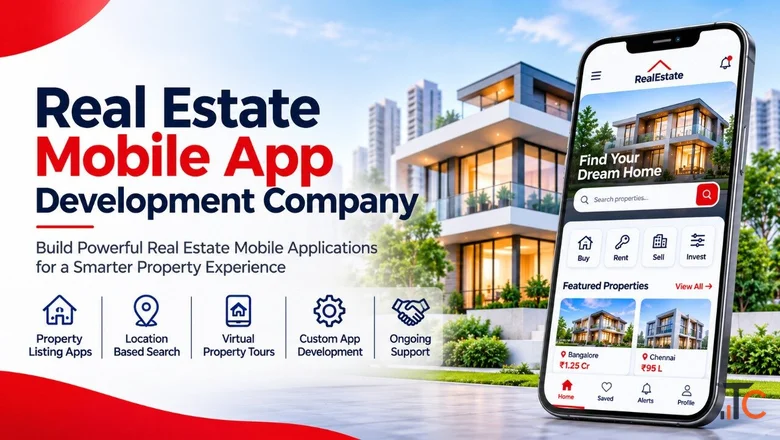
Real Estate Mobile App Development Company for Building User-Friendly Property Platforms
Check with seller
Location
Bangalore, Karnataka — India
Published
2026-11-18 13:20:52
Contact
PAVINBALA
Description
Finding and managing properties often involves several steps, from browsing listings and comparing locations to contacting agents and arranging site visits. Mobile technology has made these activities more accessible, creating new opportunities for property businesses to improve their services. A reliable Real Estate Mobile App Development Company helps organisations build applications that connect property information, customer interactions, and business operations in one convenient platform.
For real estate agencies, property developers, and rental management companies, the right application can make everyday tasks easier while providing customers with a consistent digital experience.
The Importance of a Mobile-First Real Estate Experience
Many customers prefer using smartphones to research properties and communicate with agents. They expect property details, photographs, prices, and location information to be available without unnecessary steps.
A mobile-first approach allows businesses to make these services accessible through an interface designed for smaller screens. Users can save properties, compare available options, request more information, and receive updates while moving between locations.
Real estate companies can also benefit from mobile access to business information. Agents can update listings, review enquiries, and manage appointments without returning to their offices.
Features That Improve the Property Search Experience
A useful real estate application should make property discovery straightforward. Its features should help users find relevant information and take action without confusion.
Detailed Property Profiles
Each listing can include photographs, videos, floor plans, descriptions, pricing, amenities, and availability. Organised property profiles help customers understand what is being offered before contacting an agent.
Advanced Search and Filters
Search functionality can include location, property type, price range, number of bedrooms, and other preferences. Saved searches and favourite listings can make repeated property searches more convenient.
Property Comparison
A comparison feature allows users to review multiple properties based on price, size, location, and amenities. This can support more informed decisions.
Enquiry and Appointment Features
Customers can submit enquiries directly from a listing and request property visits. Agents can receive these requests, coordinate schedules, and share appointment updates.
Personalised Notifications
Applications can notify users about newly available properties, changes to saved listings, and appointment reminders. Notifications should be relevant to user preferences rather than overwhelming them with unnecessary messages.
Connecting Real Estate Software With Business Operations
A property application becomes more valuable when it supports the work happening behind the customer interface. Real estate companies often need to manage leads, agent assignments, property records, and transaction-related information.
Integrating the mobile application with business software can reduce duplicate data entry and improve information sharing. For example, CRM integration can help agents track customer interactions, while payment gateway integration can support online transactions where required.
A connected platform can also provide administrators with dashboards and reports that help them understand enquiry volumes, listing activity, and operational performance.
Custom Development for Different Real Estate Requirements
Not every real estate business needs the same application. A property marketplace may focus on listing discovery and customer enquiries, whereas a commercial property operator may need detailed property records, lease information, and tenant services.
Custom development makes it possible to create features around these specific business models. Organisations can define user roles, select relevant modules, and plan integrations according to their workflows.
Businesses looking for Real Estate App Development Services can use a structured development approach to plan application requirements, interface design, technical architecture, and future enhancements.
What Makes a Real Estate App Reliable?
A good application should provide more than attractive screens. It must also deliver consistent performance, protect user information, and remain manageable as business requirements change.
Some important development considerations include:
Security: Use appropriate authentication and data protection measures.
Performance: Optimise property images, search results, and application loading.
Usability: Keep navigation simple and make important features easy to access.
Compatibility: Consider the devices and operating system versions used by the target audience.
Scalability: Plan for additional users, property listings, and integrations.
Ongoing support: Schedule updates, testing, and maintenance after deployment.
Selecting a development partner with a clear understanding of real estate workflows can help businesses make better technical decisions. Organisations can visit Nextwebi to explore its software development capabilities.