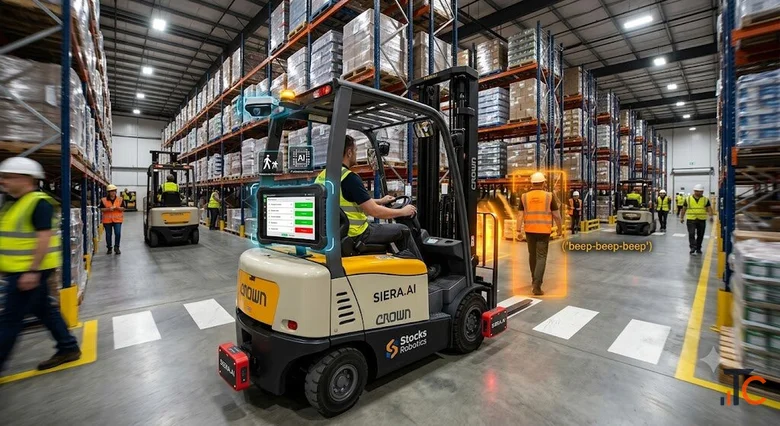
Forklift Pedestrian Safety - SIERA.AI
10,003 ₹
Location
New York, New York — India
Published
2026-11-11 21:49:18
Contact
Siera.AI
Phone Number
5128170702
Website URL
Description
Lead-Acid Battery Recycling Plants: Navigating Toxic Battery Acid Slurry and Heavy Bullion Packs
Secondary lead smelting facilities, automotive battery recycling centers, and industrial hydrometallurgical recovery plants handle cargo characterized by extreme physical density and aggressive chemical toxicity. Heavy 15,000-lb to 25,000-lb capacity counterbalance forklifts shuttle crushed lead-acid battery scrap boxes, heavy lead bullion ingots, and sulfuric acid waste bins between breaker hammer mills and blast furnace charging bays. In these harsh recycling plants, spent electrolyte acid mist, lead oxide paste, and washdown water leave concrete floors coated in a highly corrosive chemical slurry that attacks floor traction. Battery dismantlers, furnace tappers, and slag handlers work in close proximity to vehicle travel lanes, wearing full-body acid-resistant rubber suits, supplied-air respirators, and heavy lead-shielded aprons that severely impair human hearing and peripheral vision. A forklift strike against a lead ingot stack can dislodge multi-ton metal bullion, while tipping an acid tub creates acute chemical burn hazards. Eliminating catastrophic handling disasters in battery recycling demands a chemical-shielded proactive forklift safety system engineered to maintain continuous pedestrian detection through acid mist and heavy metal scrap dust.
1. The High-Mass and Corrosive Dangers of Battery Breaker Operations
Handling spent industrial lead-acid batteries and molten bullion ingots introduces severe operational liabilities:
• Extreme Lead Ingot Inertia: Transporting stacked 2,000-lb lead bullion ingots creates massive kinetic momentum that can destabilize heavy lift trucks during abrupt stops.
• Slick Sulfuric Acid and Slurry Floors: Acid runoff and neutralized sludge create exceptionally slick floor conditions that double stopping distances and corrode standard braking linkages.
• Sensory Deprivation from Toxic PPE: Personnel wearing heavy chemical hoods, air-purifying respirators (PAPRs), and vulcanized boots cannot perceive approaching lift trucks.
2. High-Accuracy Neural Vision for Acid-Resistant Gowned Crews
Protecting battery breaker tenders and furnace operators requires machine vision that operates reliably around corrosive vapors:
• Tagless Detection in Chemical Rubber Suits: Accurately identifies plant personnel wearing acid-resistant chemical overalls, full face respirators, and rubber gauntlets without electronic tags.
• Filtering Scrap Bins from Human Bodies: Neural vision models differentiate heavy plastic battery breaker tubs, steel ingot molds, and slag ladles from moving workers.
• Sub-30ms Optical Warning Response: Delivers directional visual cockpit icons and distinct audio tones that prompt drivers to halt smoothly without dislodging heavy lead stacks.
3. Heavy-Duty Telematics and Smelter Bay Fleet Control
Deploying dependable safety control across heavy internal combustion and electric smelter trucks is streamlined through hardware from SIERA.AI, installing in approximately 30 minutes with acid-resistant industrial seals:
• Breaker Floor Shock Decomposition: Differentiates rough driving over scrap debris and floor drainage grates from severe collisions against furnace feeding aprons and acid sumps.
• Digital OSHA Pre-Shift Audits: Enforces daily digital walkaround inspections verifying hydraulic mast lines, fork pins, and emergency braking systems before vehicle ignition.
• Restricted Driver PIN Access: Prevents uncertified contract laborers or furnace helpers from operating heavy lead-handling machinery via personalized digital PIN codes.
High-volume lead battery recovery must never compromise the lives of smelter floor personnel. Equipping your recycling handling fleet with proactive computer vision turns dangerous battery transfer into a controlled, zero-incident operation. Talk to our safety specialists today to schedule an on-site equipment safety assessment tailored to lead battery recycling and smelting facilities.