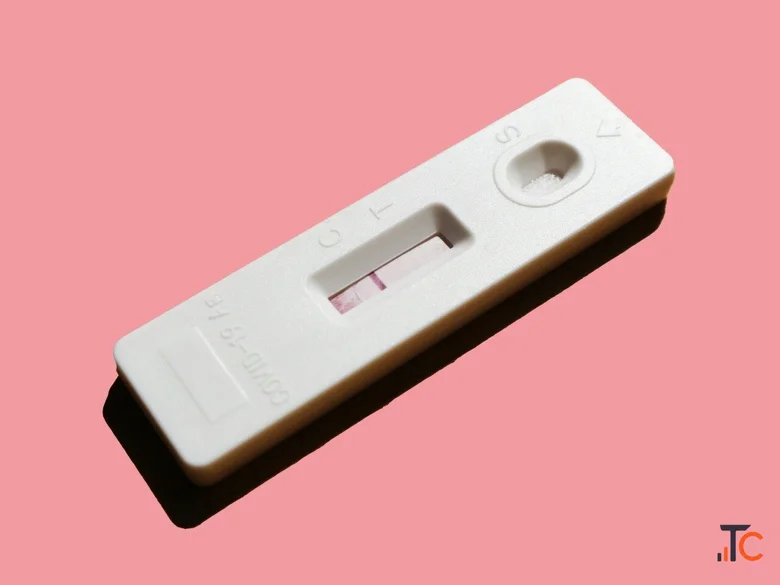
How Many Days After Unprotected Sex Can You Take a Pregnancy Test
120 ₹
Location
Bangalore, Karnataka — India
Published
2026-10-27 15:42:44
Contact
Atchaya Cnuts
Website URL
Description
After having unprotected sex, it is natural to wonder whether pregnancy has occurred and when you can take a test. Testing too early may give a negative result even if you are pregnant. Knowing the right time to test can help you get a more reliable result and decide what to do next.
How Many Days Should You Wait Before Taking a Pregnancy Test?
A home pregnancy test is generally most reliable from the first day of a missed period. If you have irregular periods or do not know when your next period is due, take a test at least 21 days after your last unprotected sex.
A pregnancy test kit detects a hormone called human chorionic gonadotropin (hCG), which rises after a fertilised egg implants in the uterus. This hormone takes time to reach a detectable level. Therefore, testing just three to five days after sex is usually too early.
For example, if you had unprotected sex on the 1st of the month and cannot predict your next period, consider testing on or after the 22nd. If you have unprotected sex again, count 21 days from the most recent occasion.
Why Is the Right Testing Time Important?
Pregnancy does not begin with detectable hCG immediately after sex. Ovulation, fertilisation, implantation, and the rise in hCG happen over time. Testing before enough of the hormone is present can lead to a false-negative result.
Waiting until your period is due or following the 21-day guideline gives a home pregnancy test a better chance of detecting pregnancy. Symptoms such as tiredness, nausea, or breast tenderness cannot confirm pregnancy on their own.
How to Use a Pregnancy Test Kit at Home: Step by Step
Follow these simple steps to use a pregnancy detection kit correctly.
Step 1: Choose the right day. If your period is regular, test from the first day it is missed. If you are unsure about your cycle, wait at least 21 days after the last unprotected sex.
Step 2: Check the kit. Choose a sealed pregnancy test kit that is within its expiry date. Read the instructions before opening it. The best pregnancy test kit is one that meets applicable quality requirements and is used correctly.
Step 3: Prepare a urine sample. Depending on the product, you may need a clean, dry container or may be able to hold the test in your urine stream. First-morning urine can be helpful when testing early because it is often more concentrated. Avoid drinking excessive amounts of water just before testing.
Step 4: Perform the test. Follow the instructions for the particular kit. Some tests require a few drops of urine, while others are held in the urine stream. Use the specified method and do not guess the amount.
Step 5: Wait for the result. Place the test on a flat surface if instructed and wait for the time stated on the packaging. Read the result within the recommended time window.
Step 6: Understand the result. A positive result usually means hCG has been detected and pregnancy is likely. A negative result means the test did not detect enough hCG at that time. If the result is invalid, repeat the test with a new kit.
What Should You Do If the Result Is Negative?
If you test before your period is due, a negative result may simply mean you tested too early. Wait a few days and test again. If you do not know when your period is due, make sure to test at least 21 days after the last unprotected sex.
If the result is still negative but your period has not arrived, consult a healthcare professional. They can advise whether another urine test or a blood test is needed. If your result is positive, arrange appropriate medical follow-up.
Seek urgent medical attention if you experience severe abdominal pain, fainting, shoulder-tip pain, or heavy bleeding, even if your test is negative.
Can You Prevent Pregnancy After Unprotected Sex?
If unprotected sex happened recently and you do not want to become pregnant, do not wait for a pregnancy test to explore your options. Emergency contraception is time-sensitive. Depending on the method, it may be used within three to five days after sex. Contact a pharmacist or healthcare professional as soon as possible for advice about the appropriate option.
Tips for Getting a Reliable Result
- Check the expiry date before using the kit.
- Follow the instructions and timing carefully.
- Avoid drinking excessive amounts of water before testing.
- Read the result within the recommended time window.
- Repeat the test if you tested early and received a negative result.
- Seek medical advice if your period remains absent or the result is unclear.
Final Thoughts
The right time to take a pregnancy test depends on your menstrual cycle and the date of unprotected sex. Testing from the first day of a missed period is a useful guideline. If your period date is uncertain, wait at least 21 days after the last unprotected sex.
A home pregnancy kit offers a convenient way to check for pregnancy, but correct timing and careful use are essential. Whether you are looking for a pregnancy test kit or comparing options described as a pregnant women kit, choose a suitable product and follow its instructions. The phrase “pregnancy news kit” is not a standard medical term, so focus on a properly labelled home pregnancy test. If you are unsure about your result, a healthcare professional can guide you on the next steps.