What Can Your Blood Sugar Readings Tell You About Your Health
999 ₹
Location
Bangalore, Karnataka — India
Published
2026-10-27 13:31:45
Contact
Atchaya Cnuts
Website URL
Description
Blood sugar readings provide useful information about how your body manages glucose, the main source of energy for your cells. Regular monitoring can help people with diabetes understand how food, physical activity, medication, and daily habits affect their glucose levels.
Using a glucometer machine at home makes checking blood sugar more convenient. However, knowing how to take a reading and understand the result is equally important.
What Do Blood Sugar Readings Tell You?
Blood sugar readings show the amount of glucose in your blood at a particular time. They can help you identify patterns and understand whether your levels are within your recommended range.
For example, readings before breakfast may differ from readings taken after meals. Repeatedly high readings may indicate that your diabetes management plan needs review, while low readings may signal hypoglycemia. A single reading does not provide a complete picture of your health.
How to Check Blood Sugar at Home
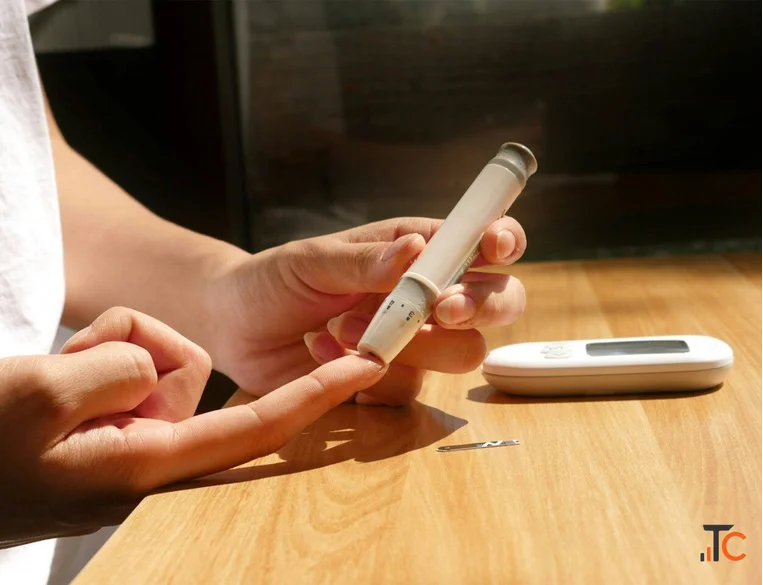
A glucometer test kit typically includes a glucose meter, compatible test strips, and a lancing device. Follow these steps for proper testing.
Step 1: Wash your hands. Wash with soap and water and dry thoroughly. Food residue or moisture may affect the result.
Step 2: Prepare the meter. Insert a compatible test strip into the glucometer machine according to the manufacturer's instructions.
Step 3: Prepare the lancing device. Use a fresh lancet and follow the device instructions. Never share lancets or lancing devices.
Step 4: Collect a blood sample. Prick the side of your fingertip and gently obtain the required drop of blood.
Step 5: Apply the blood. Place the blood on the designated area of the test strip as instructed. Wait for the meter to display the reading.
Step 6: Record the result. Note the reading, date, time, and whether you tested before or after a meal. This information can help your healthcare professional identify patterns.
Step 7: Dispose of used materials safely. Follow local guidance for disposing of lancets and used testing supplies.
What Are Normal Blood Sugar Levels?
Blood glucose targets vary according to individual health needs. For many non-pregnant adults with diabetes, commonly used targets are:
Before meals: 80–130 mg/dL.
One to two hours after the beginning of a meal: Below 180 mg/dL.
These are general treatment targets, not universal definitions of normal blood sugar. Your healthcare professional may recommend different targets based on your condition and treatment.
What Do High and Low Readings Mean?
High blood sugar: Elevated readings may occur after meals, during illness, because of stress, or when diabetes treatment is not adequately controlling glucose. Repeated high readings should be discussed with a healthcare professional.
Low blood sugar: For many people with diabetes, a reading below 70 mg/dL is considered low. Symptoms may include sweating, shakiness, hunger, dizziness, or confusion. Follow your prescribed treatment plan.
Severe confusion, seizures, or unconsciousness require emergency medical assistance. Never give food or drink to someone who cannot swallow safely.
How Do You Choose the Best Sugar Test Machine?
When comparing the best sugar test machine for home use, consider these factors:
Easy-to-read display: Clear numbers make readings easier to understand.
Compatible strips: Check availability, price, and compatibility.
Simple operation: Clear instructions help beginners test correctly.
Memory function: Stored results help track changes over time.
Ongoing costs: Consider the cost of test strips and lancets, not just the meter.
Manufacturer support: Check the instructions, warranty, and customer assistance.
Choose a meter that suits your needs and can be used consistently and correctly.
Why Are Blood Glucose Meter Strips Important?
Blood glucose meter strips work with a compatible meter to measure glucose in a blood sample. Not all strips work with every device, so check compatibility before purchasing replacements.
Store strips according to the package instructions, keep their container closed, and check the expiry date. Expired, damaged, or improperly stored strips may affect results.
How Can You Use Your Readings to Improve Daily Habits?
Look for patterns instead of focusing on one reading. For example, repeated increases after meals may help you identify topics to discuss with your healthcare professional or dietitian.
Record your readings and take them to medical appointments. Your healthcare professional can use this information to review your management plan. Do not change medication without appropriate medical guidance.
A home glucose meter does not replace tests such as HbA1c, which measures average blood glucose over approximately two to three months.
Final Thoughts
Blood sugar readings can reveal how your body responds to meals, activity, medication, and daily routines. Using a glucometer test kit correctly, recording results, and checking blood glucose meter strips for compatibility and expiry can support effective monitoring.
Understanding your personal target range and discussing repeated high or low readings with a healthcare professional can help you make informed decisions and support long-term diabetes management.