How Eggless and Vegan Cakes Work What Replaces Eggs Butter and Cream
Check with seller
Description
Not long ago, an eggless cake was often seen as a compromise: a little dense, a little dry, and something you only ordered when you had to. That reputation is fading. More families now ask for cakes without eggs or dairy, whether for religious reasons, allergies, ethical choices or just because one guest at the party can't eat them. Bakers have responded with recipes that hold their own against traditional sponges. If you have ever wondered how a cake stays light and moist without eggs, or how a vegan buttercream can still pipe neat rosettes, this guide explains what is going on.
WHAT EGGS ACTUALLY DO IN A CAKE
To replace eggs well, it helps to know what they do. In a classic sponge, eggs do four jobs at once. They bind the batter so it holds together. They add moisture. They help the cake rise, because beaten eggs trap air and the proteins set around those bubbles in the oven. And they add richness and colour through the yolk's fat. No single ingredient copies all four, so good eggless recipes usually combine two or three replacements, each covering part of the job.
COMMON EGG REPLACEMENTS AND WHEN THEY WORK
Yoghurt or buttermilk. In eggless (but not vegan) baking, plain yoghurt is one of the most dependable swaps. It adds moisture and a slight tang, and its acidity reacts with bicarbonate of soda to give lift. Many Indian-style eggless sponges rely on this combination.
Condensed milk. Sweetened condensed milk gives a soft, tight crumb and a rich flavour. It works well in vanilla and butterscotch cakes, though the baker has to cut back the sugar elsewhere.
Vinegar and bicarbonate of soda. This pairing is the backbone of many vegan cakes. The acid and the alkali react as soon as they meet, releasing carbon dioxide, so the batter needs to go into the oven quickly. Done right, it produces a surprisingly airy sponge.
Aquafaba. The liquid from a tin of chickpeas whips up much like egg whites. It is useful for meringues, mousses and lighter sponges, and once baked, it tastes of nothing at all.
Flax or chia gel. Ground seeds mixed with water turn gelatinous and bind a batter well. They suit heartier bakes such as carrot or banana cake better than delicate white sponges, where the flecks would show.
Fruit purees. Mashed banana or apple sauce add moisture and binding but also flavour, so they are best kept to cakes where that flavour belongs.
REPLACING DAIRY: BUTTER, MILK AND CREAM
Vegan cakes also leave out dairy, which brings its own challenges. Plant milks such as oat, soya and almond replace cow's milk easily; soya is often preferred because its protein content behaves most like dairy. Butter is trickier. Plant-based block butters made for baking now cream and melt in a similar way, while neutral oils make for an especially moist crumb that stays soft for days.
Frosting is where many people notice the difference. Vegan buttercream made with a firm plant butter can be piped, smoothed and coloured much like the traditional version, though it softens faster in a warm room. Whipped coconut cream or plant-based whipping cream can take the place of fresh cream fillings. Ganache is simple to adapt: dark chocolate is often dairy-free already, and it melts beautifully into hot coconut or oat cream.
EGGLESS VERSUS VEGAN: KNOW THE DIFFERENCE
These two words are often used as if they mean the same thing, but they don't. An eggless cake contains no eggs but may still use milk, butter, cream or yoghurt. A vegan cake contains no animal products at all, including dairy, honey and certain food colourings. If you are ordering for someone with a milk allergy, or for a guest who follows a strict vegan diet, say so clearly. It is also worth asking how the bakery handles cross-contamination if the allergy is serious, as most kitchens handle eggs and dairy for other orders.
TIPS FOR ORDERING OR BAKING ONE YOURSELF
Ask which flavours work best. Chocolate, red velvet, coffee and spiced sponges are very forgiving without eggs, because their strong flavours and moist textures hide small differences.
Think about the weather. Plant-based frostings soften faster than dairy buttercream, so an outdoor summer party may call for a ganache finish or a sturdier design.
Plan for stacking. Tall tiered designs need a firm crumb. Experienced eggless bakers adjust their recipes for structure, so mention the number of tiers early on.
Don't overmix at home. Without egg proteins to set the structure, overworked batter can turn gummy. Fold just until the flour disappears.
THE BOTTOM LINE
Eggless and vegan cakes are no longer second-best options. With the right mix of ingredients, they can be as soft, rich and impressive as any traditional bake, and they mean everyone at the table gets a slice.
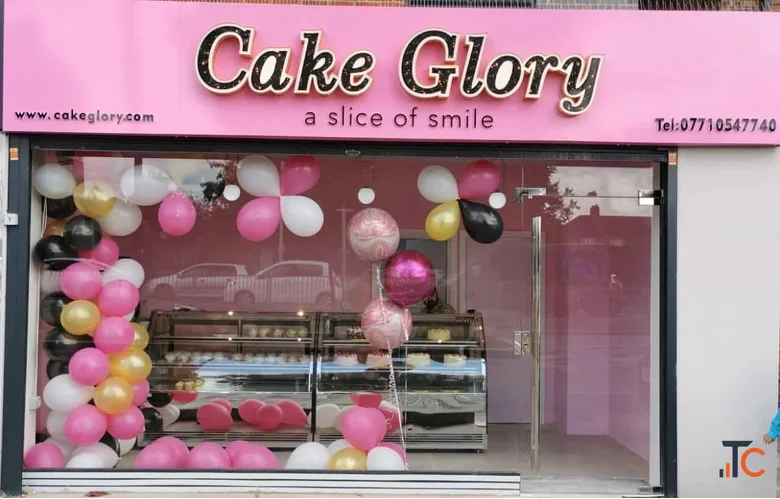
About the author: This article was written by the team at Cake Glory, a West London bakery with outlets in Hayes and Feltham. The bakery makes handcrafted birthday, wedding and celebration cakes and specialises in eggless and plant-based vegan recipes. Find out more at cakeglory.com