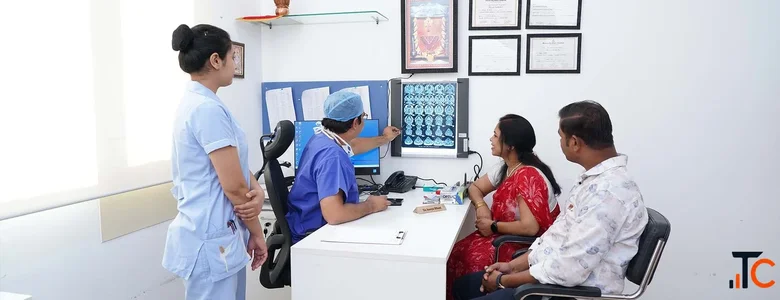
How to Find the Best Cancer Specialist in Indore Kokilaben Dhirubhai Ambani Hospital Indore
Check with seller
Location
Indore, Madhya Pradesh — India
Published
2026-10-06 19:39:38
Contact
Aarav Shah
Description
A cancer diagnosis, or even the suspicion of one, can make everything feel urgent and confusing at once. A lump that does not go away, a cough that lingers for weeks, or unexplained weight loss are easy to put off because the fear of the answer feels worse than the symptom. Yet early detection is one of the biggest factors in how well cancer responds to treatment. Knowing how to find the best cancer specialist in Indore before you are in the middle of a crisis helps you act calmly, ask the right questions and start the right treatment at the right time.
A cancer specialist, known as an oncologist, is a doctor trained to diagnose, treat and follow up people with cancer. Oncology is divided into several branches. A medical oncologist treats cancer with chemotherapy, targeted therapy, immunotherapy and hormonal therapy. A surgical oncologist removes tumours and nearby tissue. A radiation oncologist uses carefully planned radiation to destroy cancer cells. Others focus on particular areas, such as haemato-oncologists for blood cancers, gynaecological oncologists for cancers of the female reproductive system, and paediatric oncologists for children. Most cancers need more than one of these specialists working together, so you will rarely be treated by just one doctor.
Knowing when to see a specialist makes a real difference. A lump or swelling in the breast, neck, armpit or elsewhere, a mouth ulcer or white or red patch that does not heal within two to three weeks, and a persistent cough or hoarseness all deserve attention. So do blood in the stool, urine or sputum, unexplained weight loss, a mole that changes in size or colour, and difficulty swallowing. Unusual bleeding, long-lasting fatigue and a change in bowel habits are also worth checking. None of these means cancer on its own, since most have other and often harmless causes, but only an examination and the right tests can tell you which it is. Regular screening matters even when you feel well, especially for breast, cervical and oral cancers, and for anyone with a family history or a habit of using tobacco.
When choosing a cancer specialist, there is no single best option for everyone, so it helps to think about fit. Qualifications are a sensible starting point. Look for valid registration with the medical council and recognised super-speciality training, such as DM or DrNB in medical oncology, MCh or DrNB in surgical oncology, or MD or DNB in radiation oncology. Experience with your particular type of cancer comes next, because treatment for breast cancer differs greatly from treatment for lymphoma or cancer of the mouth. Ask whether your case will be reviewed by a team of surgeons, medical oncologists, radiation oncologists and pathologists, since combined decisions usually lead to better plans. Communication also matters. A good oncologist explains the diagnosis in plain words, describes the stage, discusses the options along with their benefits, side effects and costs, and gives you time to ask questions. A second opinion is a normal and sensible step, and a confident doctor will not mind it.
The setting can matter more than people expect. Cancer treatment often involves scans, biopsies, blood tests, surgery, day-care chemotherapy and long-term follow-up, and having these under one roof saves time and reduces stress. Cancer and its treatment can also affect the heart, kidneys, blood sugar and immunity, so it helps to be at a place where other specialists are close at hand. A multispeciality hospital such as Kokilaben Dhirubhai Ambani Hospital, Indore, with departments such as internal medicine and anaesthesiology, along with radiology and laboratory services in the same building, can make it easier to coordinate care when one condition overlaps with another. Support services such as nutrition guidance, pain management and counselling are just as valuable as the treatment itself.
A little preparation helps the first appointment go smoothly. Write down when the symptoms began, how they have changed and any medicines you have taken. Bring all earlier reports, including biopsy results, scans, blood tests and prescriptions, and tell the doctor about other conditions such as diabetes or heart disease, allergies and regular medicines. Take a family member or friend along, because it is hard to absorb everything alone. Questions worth asking include what type and stage the cancer is, what the treatment options are, how long treatment will last, what side effects to expect and what the follow-up will look like. Many people feel frightened at this stage, and it is fine to say so. A good oncologist will take time to explain and will involve you in each decision.
Daily habits cannot guarantee protection, but they lower risk. Avoid all forms of tobacco, including cigarettes, chewing tobacco, gutka and betel quid, which are leading causes of oral and lung cancers. Limit alcohol, eat plenty of fruit, vegetables and whole grains, stay physically active and keep a healthy weight. Protect your skin from harsh sun, get vaccinated against hepatitis B and HPV where advised, and go for the screening tests your doctor recommends for your age and family history.