Ragi vs Jowar vs Bajra Understanding 3 Popular Indian Millets
149 ₹
Location
Karnal, Haryana — India
Published
2026-09-07 16:59:13
Contact
Dipanshu Nagpal
Phone Number
9958333622
Website URL
Description
India has a long history of growing and consuming traditional grains. Among the many grains found in Indian cuisine, ragi, jowar, and bajra are three of the most familiar millet varieties.
These grains have traditionally been used in different parts of the country to prepare rotis, porridges, flour-based dishes, snacks, and other foods.
Today, they are also appearing in modern food products, giving people new ways to enjoy traditional grains.
But what is the difference between ragi, jowar, and bajra?
In this guide, we'll compare these three popular millets, look at their characteristics, traditional uses, nutritional considerations, and simple ways to include them in everyday meals.
What Are Ragi, Jowar, and Bajra?
Ragi, jowar, and bajra are all traditional cereal grains, but they come from different plants and have distinct characteristics.
Ragi
Ragi is commonly known as finger millet.
It is particularly popular in southern and central parts of India and is commonly processed into flour.
Ragi flour can be used for:
Dosa
Roti
Porridge
Pancakes
Baked foods
Snacks
Pasta
Ragi has a naturally earthy flavor and a characteristic dark color.
Jowar
Jowar is commonly known as sorghum.
It has been an important traditional grain in several parts of India and is particularly well known for its use in jowar roti.
Jowar has a relatively mild flavor and can be used in:
Rotis
Flour-based dishes
Snacks
Baked foods
Grain bowls
Pasta
Its mild taste makes it versatile for both traditional and modern recipes.
Bajra
Bajra is commonly known as pearl millet.
It has traditionally been an important grain in many parts of northern and western India.
Bajra is commonly used to prepare:
Bajra roti
Porridge
Flour-based dishes
Snacks
Traditional recipes
Modern millet-based foods
It has a distinctive flavor that works particularly well with savory dishes.
Ragi vs Jowar vs Bajra at a Glance
Feature Ragi Jowar Bajra
Common English name Finger millet Sorghum Pearl millet
Flavor Earthy Mild Distinctive, nutty
Common traditional use Porridge, dosa, roti Roti, flour-based foods Roti, porridge
Common modern uses Pasta, baked foods Pasta, snacks Pasta, snacks
Flour Commonly used Commonly used Commonly used
Grain color Often dark reddish-brown Usually light-colored Usually grayish-brown
The exact nutritional composition varies depending on the variety, processing, and preparation method.
Ragi: A Traditional Indian Favorite
Ragi has been a staple food in several Indian regions for generations.
One of its most recognizable characteristics is its earthy flavor and darker appearance.
Ragi flour is especially versatile.
It can be used to prepare traditional foods such as ragi dosa, ragi roti, and ragi porridge.
It can also be incorporated into modern foods such as baked products and pasta.
How to Use Ragi
There are many ways to introduce ragi into your meals.
Try:
Ragi dosa for breakfast
Ragi roti with vegetables
Ragi porridge
Ragi pancakes
Ragi-based snacks
Ragi pasta
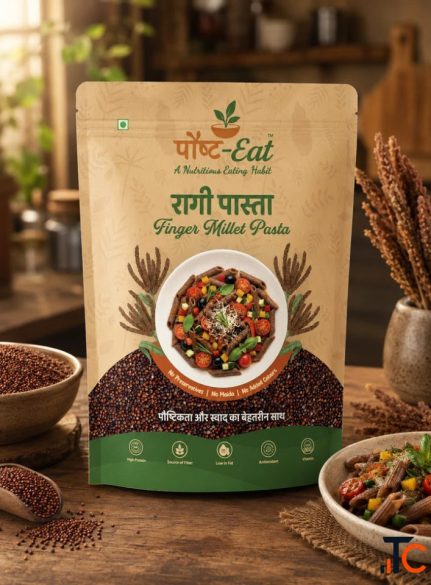
If you enjoy experimenting with modern millet foods, you can also explore ragi-based pasta from Paushteat.
Jowar: Mild and Versatile
Jowar, or sorghum, has a long history in Indian cuisine.
It is especially popular in the form of jowar roti.
The relatively mild flavor of jowar allows it to work with a variety of ingredients.
Jowar flour can be used for flatbreads, while whole jowar can be cooked and incorporated into different meals.
How to Use Jowar
You can try jowar in:
Jowar roti
Jowar bhakri
Grain bowls
Salads
Snacks
Baked recipes
Jowar pasta
For a modern option, Paushteat's millet pasta range includes millet-based products that can make experimenting with traditional grains more convenient.
Bajra: A Distinctive Pearl Millet
Bajra, or pearl millet, is another important traditional Indian grain.
It is particularly associated with foods such as bajra roti.
Bajra has a distinctive taste that pairs well with hearty and savory foods.
It can be used as flour or incorporated into other grain-based preparations.
How to Use Bajra
Some simple options include:
Bajra roti
Bajra porridge
Bajra flour recipes
Savory snacks
Baked foods
Millet-based pasta
If you enjoy trying different grain varieties, experimenting with bajra alongside ragi and jowar can help you discover different flavors and textures.
Which Millet Has the Most Nutrition?
This is a common question, but there isn't one simple answer.
Ragi, jowar, and bajra all provide nutrients, but their nutritional profiles are different.
The exact nutritional values also depend on factors such as:
Variety
Processing
Serving size
Cooking method
Other ingredients in the recipe
Instead of choosing one grain based only on a single nutrient, it can be more useful to include a variety of grains as part of a balanced diet.
Always check the nutrition information of packaged products for their specific nutritional values.
Ragi vs Jowar vs Bajra: Which One Should You Choose?
The answer depends largely on what you want to prepare and which flavor you prefer.
Choose Ragi If You Like:
Earthy flavors
Ragi dosa
Porridge
Dark-colored flour
Ragi-based baked foods
Ragi pasta
Choose Jowar If You Prefer:
Mild flavors
Traditional rotis
Versatile flour
Grain bowls
Jowar-based foods
Jowar pasta
Choose Bajra If You Enjoy:
Stronger grain flavors
Traditional Indian meals
Bajra roti
Savory dishes
Hearty grain-based foods
Bajra-based products
There is no requirement to choose only one.
Trying all thr