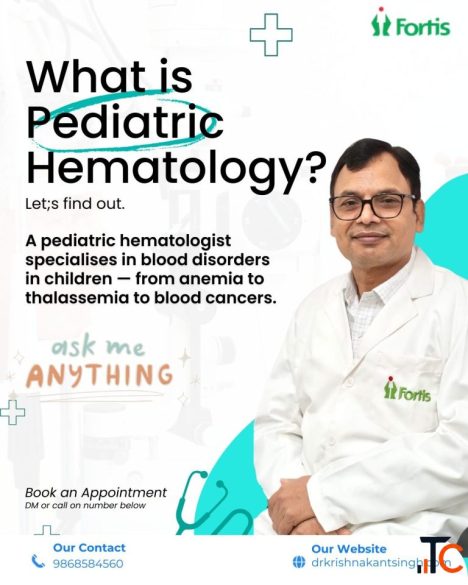
Helping Parents Understand Childhood Blood Disorders and Specialised Care
Check with seller
Location
Fortis hospital, Rasoolpur Nawada, B-22, Sector 62, Noida, India, 201301
Noida, Uttar Pradesh — India
Noida, Uttar Pradesh — India
Published
2026-08-12 13:32:17
Contact
Dr krishna kant singh
9868584560
9868584560
Phone Number
9868584560
Website URL
Description
When a child does not feel well, even a small change can concern parents. A child who is usually active may suddenly seem tired, develop frequent fevers, or lose interest in everyday activities. Often, these symptoms are caused by common childhood illnesses and improve with appropriate care. However, persistent or unexplained symptoms may require further medical evaluation.
Blood health is an important part of a child's development. Blood carries oxygen, supports the immune system, and helps control bleeding. Problems involving blood cells, clotting, or bone marrow can affect children in different ways and may require specialised care.
Understanding Blood Disorders in Children
Childhood blood disorders range from common conditions to complex diseases. Anaemia, for example, may result from nutritional deficiencies, inherited conditions, or other health problems. Some children may also experience disorders involving platelets, blood clotting, or blood-cell production.
A Paediatric haematologist specialises in evaluating blood-related conditions in children and adolescents. Assessment may include reviewing symptoms and medical history, conducting an examination, and interpreting blood tests.
An abnormal blood report does not automatically mean that a child has a serious illness. Blood counts can change during infections and other temporary conditions. A specialist considers the complete clinical picture before recommending further testing or treatment.
Symptoms Parents May Notice
Children cannot always explain what they are feeling, so parents should pay attention to noticeable changes in their health and behaviour.
Symptoms that may require medical attention when persistent or unexplained include unusual tiredness, prolonged fever, frequent infections, unexplained bruising or bleeding, persistent bone or joint discomfort, swollen lymph nodes, or unexplained weight changes.
These symptoms can have many causes and do not automatically indicate cancer. The best approach is to avoid self-diagnosis and consult a qualified healthcare professional when symptoms persist or become more noticeable.
The Role of a Paediatric Oncologist
When a child requires evaluation for suspected or confirmed cancer, specialised expertise becomes important. A Paediatric oncologist focuses on cancers affecting infants, children, and adolescents.
Children have different medical needs from adults because their bodies are still growing and developing. Treatment decisions therefore consider factors such as age, overall health, diagnosis, and the individual characteristics of the disease.
Paediatric oncology may involve several healthcare professionals working together. Depending on the child's needs, the team may include oncology, haematology, surgery, pathology, nursing, nutrition, and other specialists.
For families, understanding the diagnosis and treatment plan is an important part of the process. Parents should feel comfortable discussing investigations, treatment options, monitoring, and follow-up with their medical team.
Starting With a Paediatrician
For many families, a Paediatrician is the first doctor they consult about a child's health. Paediatricians provide comprehensive care and can assess both common and more complicated symptoms.
If a child has an unusual blood count, persistent symptoms, or other concerning findings, the paediatrician may recommend specialist consultation. A referral does not necessarily mean that a serious disease has been identified. It may simply be the next step in understanding an unexplained symptom or test result.
Understanding Bone Marrow Transplantation
Bone marrow produces many of the blood cells the body needs. In certain serious conditions, treatment may involve replacing unhealthy blood-forming cells with healthy stem cells.
Bone marrow or stem cell transplantation is an advanced treatment used for selected medical conditions. It is not required for every child with a blood disorder or cancer. Whether it is appropriate depends on the diagnosis, overall health, previous treatment, and other clinical factors.
Dr. Krishna Kant Singh is an Expert Pediatric Haematologist, Oncologist and Bone Marrow Transplant Specialist associated with Fortis Hospital in Noida. His stated areas of expertise include childhood blood disorders, paediatric cancers, and specialised bone marrow transplant care.
Making Specialist Care Easier to Understand
A complex diagnosis can be difficult for children and parents. Medical terminology, investigations, and treatment decisions may feel overwhelming. Clear communication can help families understand what a diagnosis means and why particular treatments or tests may be recommended.
Dr. Krishna Kant Singh's work across paediatric haematology, oncology, and bone marrow transplantation represents a specialised area of children's healthcare.
Parents should remain attentive without becoming alarmed by every symptom. Persistent or unusual changes deserve professional evaluation, but an individual symptom or abnormal blood test should not be treated as a diagnosis on its own.
Seeking appropriate medical advice can help families understand the underlying issue and determine whether further specialist care is necessary.
This article is intended for general health awareness and does not replace personalised medical advice, diagnosis, or treatment from a qualified healthcare professional.